

Your Meetings Suck
How to run meetings people actually want to attend (and remember)
Be honest: when was the last time someone left one of your meetings energized?
ABOUT THIS SESSION
Atlassian found that workers rate most of the meetings they attend as ineffective, and Microsoft's Work Trend Index named inefficient meetings the number one productivity disruptor. Nobody plans a bad meeting. They just inherit one.
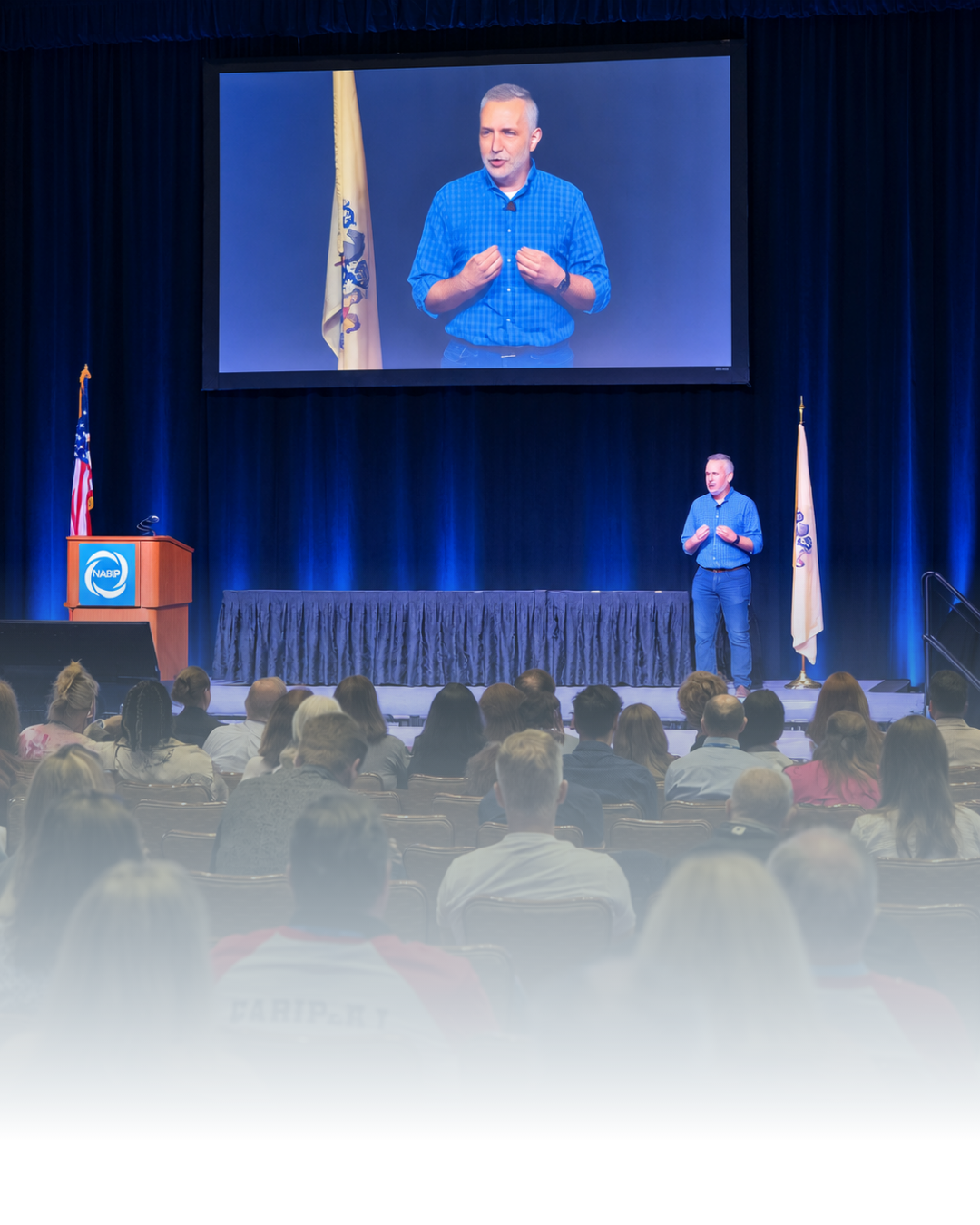
In this interactive session, Jon Colby uses improv principles to show why most meetings drag and how to fix them without adding more process. Your team will practice simple openings that build trust, closings that make sure every voice gets heard, and small engagement moves that keep people present instead of quietly answering email.
It's fast, funny, and immediately useful. Your next meeting will feel different.
Who It's For
Managers, team leads, project teams, and any organization drowning in calendar invites.
What Your Team Walks Away With
TAKEAWAYS
Open meetings in a way that builds trust and gets people talking, starting with "what's going well" before "what could be better"
01
Close with a one-word check-in so every person is heard, extroverts don't dominate, and introverts aren't put on the spot
02
Keep energy and attention up through the middle without forced icebreakers
03
Improve retention so decisions and action items actually stick
04
Spot the meetings that should have been an email, and cut them
05

Michael Mecklenburg
Director of Sales, Paylocity
"He has fundamentally changed my team's outlook; we now have a team of 'Hype People!' My team was wary of having a speaker in on a Monday morning but came away energized and ready for the week!"
Questions About This Session
-
Start with engagement and connection, not an information dump. Getting everyone talking in the first few minutes, even with one quick question like "what's going well?", tells the room this meeting needs their input, not just their attention. End with a quick round where every person is heard, so decisions stick and quiet voices don't get lost.
-
Break up the listening with small moments of participation, like a quick pair-share or a one-word check-in. Engagement doesn't need to be big; it needs to be regular.
-
If no decision is made, no input is needed, and no one leaves with a next step, it probably should have been an email. This session gives leaders a quick test to use before booking the calendar invite.
Pairs Well With
Beyond Boundaries: Unlocking Creative Genius
Help your team think differently, together

How Do YOU Think You're Doing?
Turn the review everyone dreads into a conversation that moves people forward

Getting Real in Virtual Space
When your team is remote, connection doesn't happen by accident