

Leading with Compassion:
Empathy, Trust, and Psychological Safety
Build a team where people feel safe to speak up, try things, and get it wrong
Regardless of job title, everyone is a leader.
ABOUT THIS SESSION
Every response you give, every reaction on your face, teaches your team whether it's safe to speak up.
When Google studied what made its best teams effective, the top factor wasn't talent or experience. It was psychological safety: the shared belief that you can take a risk without being embarrassed or punished. Improv runs on that same belief. A scene only works when every player knows their idea will be accepted and built on.
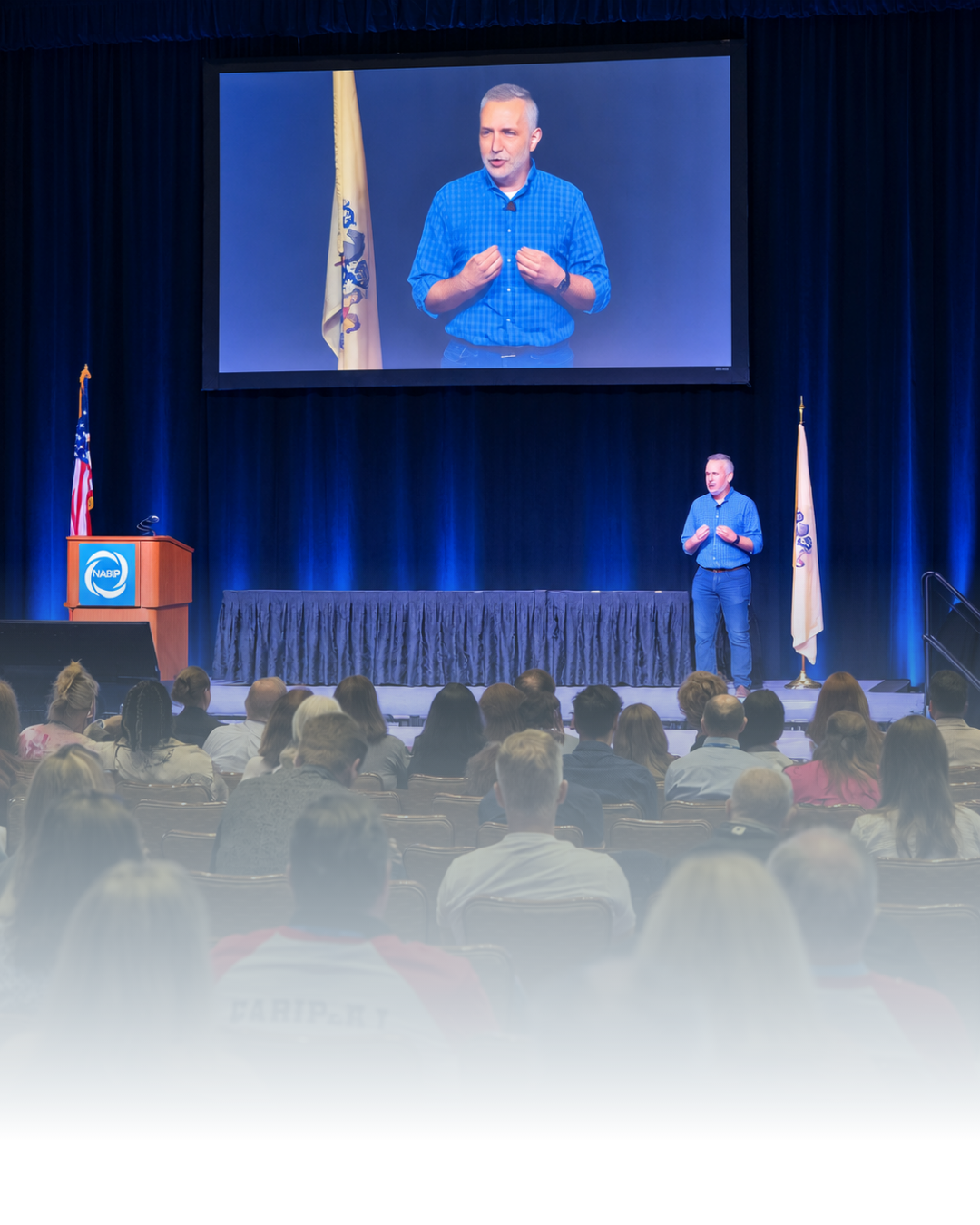
In this interactive session, Jon Colby uses improv to help leaders practice empathy in action: listening fully, responding without judgment, and making it safe to share bad news, half-formed ideas, and honest mistakes.
Who It's For
Leaders at every level, healthcare and senior living teams, nonprofits, schools, and organizations navigating change.
What Your Team Walks Away With
TAKEAWAYS
Understand what psychological safety is (and isn't) and why it drives performance
01
Practice empathetic listening that makes people feel heard, not just processed
02
Respond to mistakes and bad news in ways that build trust instead of fear
03
Use simple meeting habits that invite every voice in the room
04
Lead with compassion without lowering the bar on results
05
Mike Trampetti
CEO, Trampetti Management Group
"Jon did a great job for our event. We needed a speaker to help with our culture. And he hit it out of the park. I highly recommend him."
Questions About This Session
-
Harvard professor Amy Edmondson defines it as a shared belief that the team is safe for interpersonal risk-taking: people can speak up, ask questions, or admit mistakes without fear of embarrassment or punishment.
-
Through small, consistent responses: listening fully, thanking people for bad news, and reacting to mistakes with curiosity instead of blame. This session lets leaders practice those moments.
-
No. Compassion and high standards work together. People perform best when they feel safe enough to stretch, take risks, and be honest about what's not working.
Pairs Well With
"Yes, and…" Leadership Through Improv
The rules of improv are the rules of great leadership

Upgrade Your EQ
An interactive emotional intelligence keynote for leaders at every level

Meaningful Appreciation
Recognition that actually lands, so your best people stay