

A Little Less Conversation:
The Power of Nonverbal Communication
What your body language is saying when you're not talking
Your words say one thing.
ABOUT THIS SESSION
Your crossed arms, your tone, and that quick glance at your phone might be saying something else. And when the two don't match, people believe what they see. Princeton researchers found people size up your trustworthiness and competence from your face in about a tenth of a second, before you've said a word.
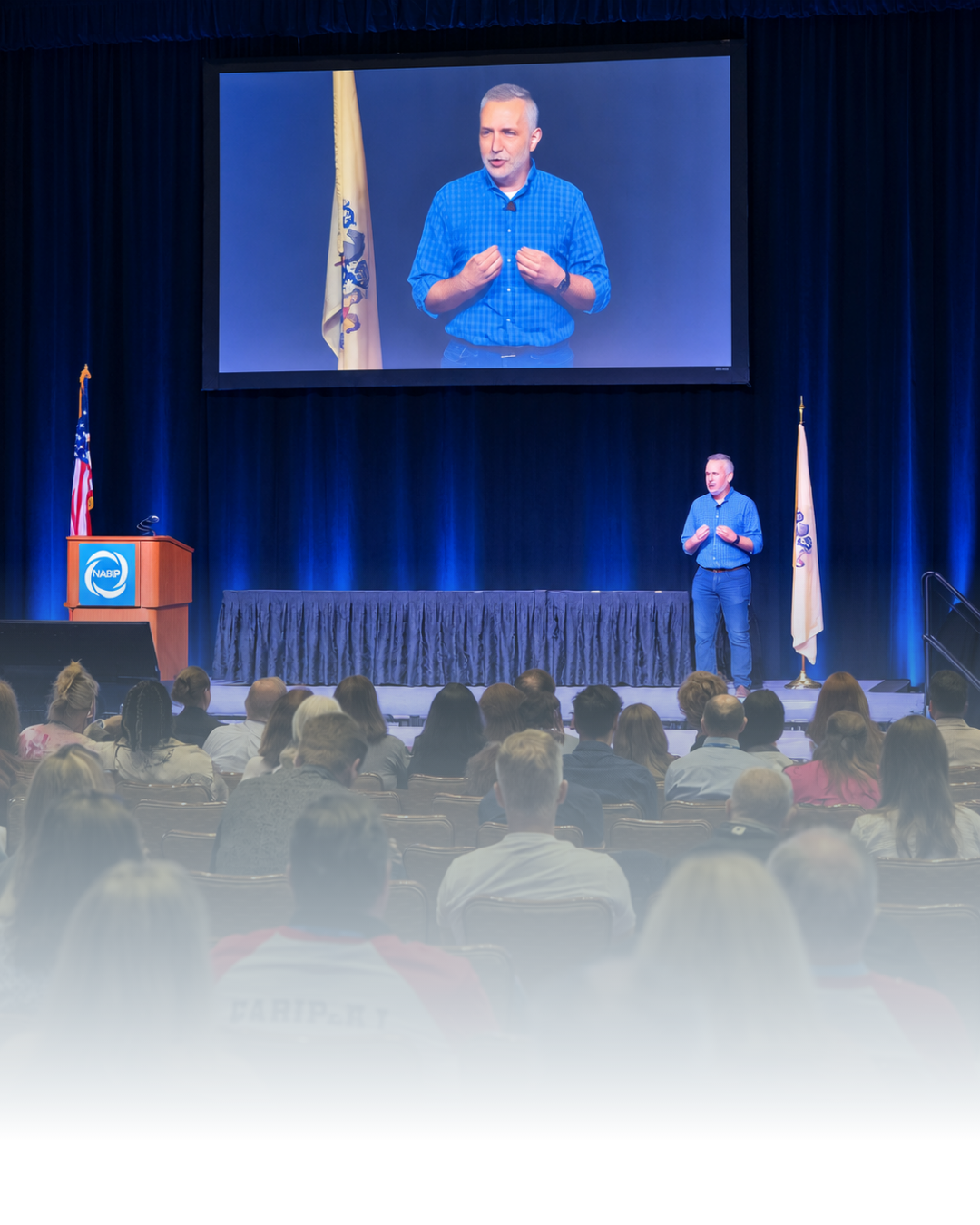
That's the core finding from Albert Mehrabian's well-known research on mixed messages: when words and nonverbal cues conflict, listeners trust the nonverbal. In this interactive workshop, Jon Colby uses improv games to make the invisible visible, so participants can see and feel how posture, facial expression, gestures, and tone change the message.
Small changes, big difference. Participants leave more aware of the full message they send and better at reading the one they receive.
Who It's For
Client-facing teams, sales, healthcare and customer service staff, and leaders who present often.
What Your Team Walks Away With
TAKEAWAYS
Recognize the gap between what you say and what you signal
01
Use posture, eye contact, and gestures to build trust and confidence
02
Read the room and adjust in real time
03
Match tone to message in tough conversations
04
Show up with stronger presence in person and on camera
05
Brittany Dyer
Career Navigator, University of Indianapolis
"Jon's engaging, laugh-provoking improv session loosened up a group of quiet, nervous college sophomores on a Saturday afternoon. Not only did their participation allow them to meet and talk to new students; but, they also learned valuable communication skills... The students unanimously voted Jon's session as the most powerful one of the day!"
Questions About This Session
-
More than you'd think. In a 2013 study, researcher Chia-Jung Tsay showed people silent six-second videos of classical music competitions. Viewers picked the real winners more accurately than people who could hear the performances, even trained musicians. If visuals can outweigh sound in a music contest, imagine their weight in a meeting. Earlier research by Albert Mehrabian found that 55% of how people judged a speaker's feelings came from facial expression and body language, 38% from tone, and only 7% from words. When your words and your body don't match, people believe your body.
-
Start with awareness: posture, eye contact, facial expression, and tone. Small adjustments, practiced until they feel natural, change how confident and trustworthy you come across.
-
Yes, and it's often magnified. Facial expression, eye line, and energy carry even more weight when that's all people can see.
Pairs Well With
Improv(e) Your Communication
Find your communication blind spots, and learn to calm almost any conflict

Your Meetings Suck
How to run meetings people actually want to attend (and remember)

Leading with Compassion
Build a team where people feel safe to speak up, try things, and get it wrong